
Lapse Productions flies drones for corporate video across the Greater Toronto Area, and the rules we fly under changed significantly on November 4, 2025. Transport Canada’s expanded regulations opened the door to beyond visual line-of-sight flights, medium drones up to 150 kg, and new privileges for Advanced pilots, while adding new certificates and fees. This guide breaks down the operation categories, what changed, and the steps to fly legally in Canada in 2026.
The short answer
- Drones 250 g and over must be registered ($10) and flown with at least a Basic Operations pilot certificate.
- Transport Canada’s expanded drone rules came fully into force on November 4, 2025.
- Advanced pilots can now fly sheltered operations, extended visual line-of-sight, and medium drones up to 150 kg.
- Lower-risk BVLOS is now legal with a Level 1 Complex certificate and an RPAS Operator Certificate.
- Fewer operations need a Special Flight Operations Certificate, but every SFOC application now carries a fee.
What Changed in Canada’s Drone Rules?
Transport Canada rolled out its expanded drone regulations in two phases. On April 1, 2025, the new Level 1 Complex exam and RPAS Operator Certificate applications opened, drone registration moved to a $10 fee, and flying a microdrone at an advertised event started requiring a Special Flight Operations Certificate (SFOC). On November 4, 2025, the operational changes came into force: lower-risk beyond visual line-of-sight (BVLOS) flights, medium drones from over 25 kg up to 150 kg, and new sheltered and extended visual line-of-sight privileges for Advanced pilots.
The practical effect is that many operations that used to require a case-by-case SFOC are now covered by standing rules and certificates. The SFOC still exists, but it is reserved for the operations outside those rules, and it now comes with an application fee.
Drone Operation Categories in Canada (2026)
Which rules apply depends on the weight of your drone and where and how you fly it.
| Category | Drone weight and operation | What you need |
|---|---|---|
| Microdrone | Under 250 g, within visual line of sight | No registration or pilot certificate. Fly responsibly, and get an SFOC for advertised events. |
| Basic operations | 250 g to 25 kg, uncontrolled airspace, 30 m or more from bystanders, never over bystanders | Register the drone, pass the Small Basic Exam, carry your Pilot Certificate, Basic Operations |
| Advanced operations | 250 g to 25 kg, controlled airspace, near or over bystanders, plus sheltered and EVLOS operations | Register the drone, pass the Small Advanced Exam, pass a flight review, fly a drone declared safe for the operation |
| Level 1 Complex operations | Lower-risk BVLOS in uncontrolled airspace below 122 m (400 ft) | Advanced and Level 1 Complex exam, 20 hours of ground school, a flight review, and an RPAS Operator Certificate |
| Medium drones | Over 25 kg up to 150 kg, within visual line of sight | Pilot Certificate, Advanced Operations, a drone declared safe for the operation, ATC permission in controlled airspace |
| SFOC | Everything else: drones over 150 kg, flights above 122 m, advertised events, BVLOS beyond the lower-risk rules, foreign operators | A Special Flight Operations Certificate from Transport Canada |
The line between basic and advanced comes down to where you fly and how close you get to people. Uncontrolled airspace at 30 metres or more from bystanders is basic. Controlled airspace, or flying near or over bystanders, is advanced. Basic pilots must also stay 3 nautical miles from certified airports and military aerodromes and 1 nautical mile from certified heliports. Certificates are managed through the Drone Management Portal, and pilots must complete a recency exercise every 24 months to keep flying.
New Privileges for Advanced Pilots
If you already hold a Pilot Certificate, Advanced Operations, you do not need to re-apply. As of November 4, 2025, your certificate covers three new operation types, and your job is to learn the rules that come with them.
| New privilege | What it allows | Key limits |
|---|---|---|
| Sheltered operations | Flying a small drone close to a building or structure | Within 61 m (200 ft) horizontally of the structure, no more than 30 m (100 ft) above it, and 30 m (100 ft) or more from people not involved in the operation |
| Extended visual line-of-sight (EVLOS) | Short-range flights where the pilot can no longer see the drone unaided | Uncontrolled airspace, a trained visual observer who holds a pilot certificate, and staying within 2 nautical miles (3.6 km) of the pilot, observer, and control station |
| Medium drones in VLOS | Flying drones over 25 kg up to 150 kg | The drone must be declared safe for the operation, and controlled airspace requires ATC permission |
What Are the New BVLOS Rules?
Lower-risk BVLOS is the biggest change in the 2025 regulations. It runs on a new pilot certification called Level 1 Complex Operations. To qualify, you must:
- Be at least 18 years old
- Pass the online exam for advanced and Level 1 Complex operations
- Complete at least 20 hours of ground school and pass a flight review
On top of the pilot certificate, anyone conducting BVLOS (individuals, businesses, or organizations) needs an RPAS Operator Certificate (RPOC), which requires documented policies and procedures that match the scale of the operation. Lower-risk BVLOS flights must stay in uncontrolled airspace, below 122 metres (400 feet), and away from airports and aerodromes. Small and medium drones may fly at least 1 km from populated areas, and small drones may also fly over sparsely populated areas or closer than 1 km to a populated area. Anything beyond those limits still requires an SFOC.
Transport Canada Drone Fees (2026)
The expanded regulations introduced fees for the new certificates and, for the first time, for SFOC applications (government emergency response operations are exempt).
| Service | Fee |
|---|---|
| Drone registration | $10 |
| Level 1 Complex Operations exam | $50 |
| Pilot Certificate, Level 1 Complex Operations | $125 |
| RPAS Operator Certificate (RPOC) | $125 |
| Pre-Validated Declaration | $1,200 |
| SFOC, very low complexity | $20 |
| SFOC, low complexity | $75 |
| SFOC, medium complexity | $900 |
| SFOC, high complexity | $2,000 |
The Small Basic and Small Advanced exams are written online through the Drone Management Portal, and flight reviews are booked through Transport Canada approved flight reviewers.
Pre-Flight Checklist
Once you are certified, every flight still needs planning. This is the routine we run before our own shoots:
- Check the airspace. Use the NRC Drone Site Selection Tool to confirm what category of operation your location requires.
- Get authorization for controlled airspace. Plan the flight and request authorization through NAV CANADA’s NAV Drone app.
- Geo unlock your DJI drone. If the location sits inside a DJI geofence, request an unlock through the DJI FlySafe website before the shoot day.
- Confirm insurance. Arrange liability coverage through your insurance broker or an on-demand drone insurance provider.
- Prepare the day before. Charge batteries, update firmware, and have your pilot certificate and proof of registration on your phone and on paper.
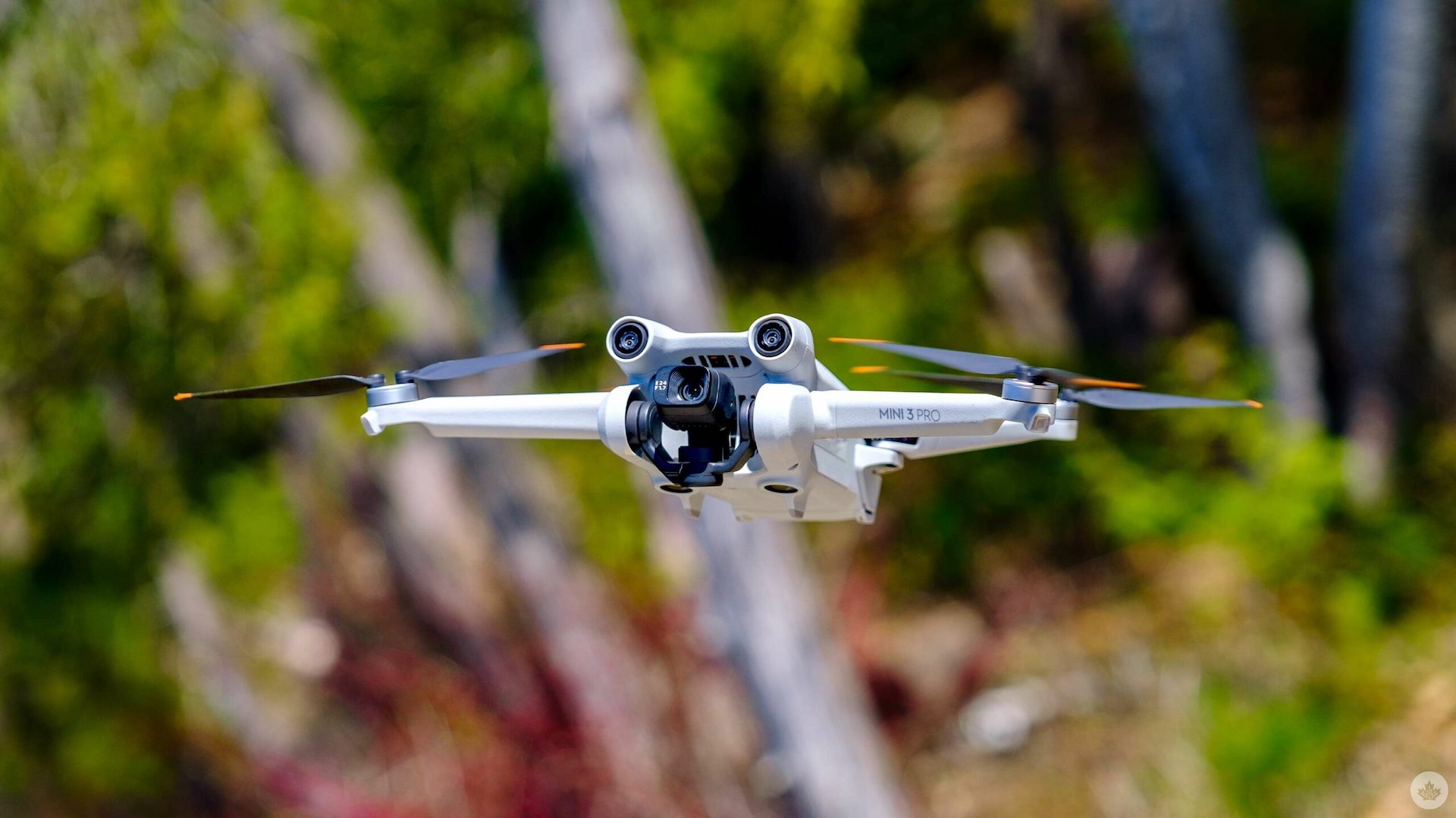
What This Means for Your Aerial Video Project
The 2025 rules make more shots legally possible: sheltered flights beside buildings, longer-range coverage with a visual observer, and heavier cinema rigs. They also raise the compliance bar, with new certificates, declarations, and fees. Our drone video production team holds Advanced Operations certificates and handles airspace authorization, insurance, and flight planning on every shoot, so you get the footage without the paperwork.
Need Licensed Drone Footage?
Tell us the location and the shots you have in mind, and we will handle the certification, authorization, and flight plan.
Get a Free QuoteFrequently Asked Questions
Do I need a licence to fly a drone in Canada?
Yes, if your drone weighs 250 grams or more. You need a Pilot Certificate for Basic Operations at minimum, which requires passing the Small Basic Exam online, and the drone itself must be registered with Transport Canada. Drones under 250 grams need no registration or certificate, but you must still fly them safely.
What changed in Canada’s drone rules on November 4, 2025?
Transport Canada’s expanded regulations came fully into force. Advanced pilots gained sheltered operations, extended visual line-of-sight, and medium drone privileges, and a new Level 1 Complex certificate now allows lower-risk beyond visual line-of-sight flights without a Special Flight Operations Certificate. New service fees also apply.
Can I legally fly a drone beyond visual line of sight in Canada?
Yes, under the lower-risk BVLOS rules. You need a Pilot Certificate for Level 1 Complex Operations and an RPAS Operator Certificate, and flights must stay in uncontrolled airspace, below 122 metres, and away from airports and populated areas. Anything beyond that still requires a Special Flight Operations Certificate.
Do drones under 250 grams need to be registered?
No. Microdrones under 250 grams do not need registration or a pilot certificate. Two exceptions matter: since April 1, 2025 you need a Special Flight Operations Certificate to fly a microdrone at an advertised event, and you must never operate in a way that endangers people or aircraft.
Do I need my own drone certificate if I hire a video production company?
No. When you hire a licensed operator, their certification, registration, and insurance cover the shoot. Confirm that your provider holds a Pilot Certificate for Advanced Operations and carries liability insurance before filming in a city like Toronto, where much of the airspace is controlled.
About the author
Dario Nouri is a Producer and Co-Founder of Lapse Productions, a Toronto video production company creating results-based content since 2014. He also hosts Creatives Grab Coffee, a podcast on the business of video production.
Sources: Transport Canada, 2025 Summary of Changes to Canada’s Drone Regulations (accessed August 2026); Transport Canada, Drone Safety (accessed August 2026); NAV CANADA, Drone Flight Planning (accessed August 2026).