
Lapse Productions tracks the holiday advertising calendar all year, and Valentine’s Day 2026 was the most interesting one in a while: the season split into two completely different playbooks. On one side, cinematic brand films from Tiffany and Co. and GODIVA. On the other, platform-native stunts from Maruchan, Savage X Fenty, and Zales that never touched a TV buy. We ranked the season using YouGov BrandIndex brand-lift data and NRF spending research, then broke down what each approach means for your next campaign.
Valentine’s Day 2026 at a glance
- US consumers spent a record 29.1 billion dollars, up from 27.5 billion in 2025 (NRF)
- Average planned spend hit a record 199.78 dollars per person
- Biggest brand lift: Maruchan’s Saucy Noods, with Buzz up 6.6 points in two weeks (YouGov)
- Best film of the season: Tiffany and Co., directed by Emmy nominated Justyna Obasi
- Every winner launched between January 6 and February 2
What made the best Valentine’s Day ads of 2026 different?
The brands that won this season picked a lane and committed. Luxury houses went long-form and cinematic, betting that emotional storytelling builds pricing power. Challenger brands skipped the hero film entirely and built campaigns inside DMs, dating apps, and product drops. Both approaches worked, but they moved different numbers: the films built consideration among high-intent gift buyers, while the platform plays generated the fastest awareness and buzz gains YouGov measured all month.
That split matters if you are planning your own seasonal campaign. The question is no longer “should we make a video” but “which kind of video does our goal actually need.” Here are the campaigns worth studying from each side.
Which Valentine’s Day brand films won 2026?
1. Tiffany and Co.: Celebrating Love Stories Since 1837
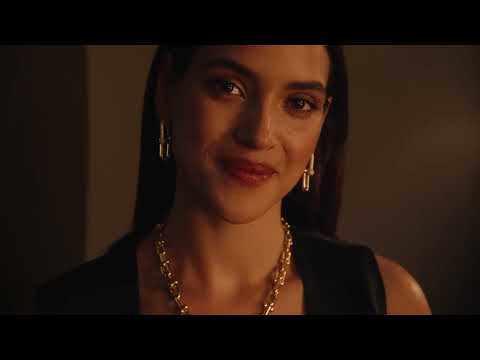
The film of the season. Directed by Emmy nominated filmmaker Justyna Obasi and starring Adria Arjona (Andor), the short is built on one simple premise: a married couple pretend to meet again as strangers, and the husband describes his wife with the warmth of someone falling for her all over again. The HardWear collection is present in every frame without ever being pitched. The craft level is a masterclass: Benoit Soler shot it, Cabin cut it, and Barking Owl handled sound and mix. It launched January 20 on Tiffany’s own channels, and YouGov tracked Ad Awareness climbing from 8 percent to 12.2 percent by month’s end, with Consideration up 3.7 points. Premium storytelling, measurably moving purchase intent.
2. GODIVA: Say it With GODIVA

GODIVA turned 100 this year, and its Valentine’s campaign leaned into that heritage. Leighton Meester reprises her Lady Godiva role through a more intimate, romantic lens, positioning each chocolate box as a gesture rather than a default gift. Agency Lippe Taylor ran the work across digital, social, influencer, and a Times Square billboard, using the film to protect the brand’s premium positioning at the exact moment GODIVA is expanding into Amazon and mass retail. That is the strategic lesson here: when distribution widens, storytelling is what keeps a luxury brand from reading as a grocery brand.
3. Shake Shack: Love Shack Dinner Series
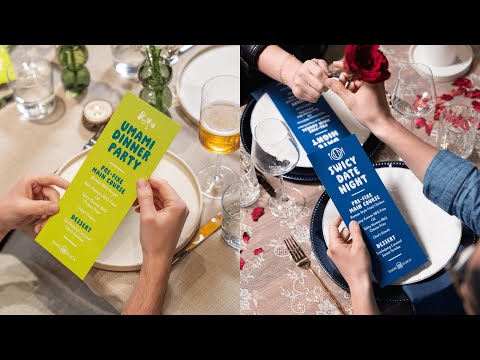
A holdover from our earlier edition of this list that still earns its spot. Shake Shack turned its restaurants into reservation-only Valentine’s dinner experiences and let the video document the event rather than invent a story. Experience-led brand video like this keeps working because the content is proof, not promise: you watch real couples at a real dinner the brand actually staged. For smaller businesses, this is the most repeatable format on this list, since a well-shot event recap costs a fraction of a scripted film.
Which platform-native campaigns moved the numbers?
Three of the season’s biggest brand-lift winners never led with a traditional film. YouGov BrandIndex tracked all three through January 2026:
| Brand | Campaign | Ad Awareness | Buzz | Consideration |
|---|---|---|---|---|
| Maruchan | Saucy Noods | 1.4% to 6.4% | -0.9 to 7.5 | 13.5% to 19.5% |
| Savage X Fenty | Love So Savage | 4% to 8.7% | 3.9 to 9.2 | 4% to 9.1% |
| Tiffany and Co. | Celebrating Love Stories Since 1837 | 8% to 12.2% | 11 to 14.3 | 9.8% to 13.5% |
Maruchan’s Saucy Noods was the single biggest mover of the season. To launch a new stir-fry noodle line, agency Goodby Silverstein and Partners built the whole campaign around one joke, sending “noods,” and placed it where the joke already lives: Bumble profiles you could swipe right on, sponsored Snapchat DMs, and free noodle shipping to your crush through TikTok Shop. Buzz swung 6.6 points, from negative to strongly positive, in two weeks. The video content was all short-form and social, built to be shared rather than aired.
Savage X Fenty’s Love So Savage put founder Rihanna front and center as a modern Aphrodite, alongside Vivian Wilson, Lovie Simone, Michael Cooper Jr., and Emma Arletta. It launched January 6, earlier than almost anyone, and rode three weeks of social imagery and video assets to a 5.1 point Consideration gain. No hero film, just a founder-led visual identity applied relentlessly.
DoorDash’s You Shouldn’t Have sits between the two playbooks. GUT Los Angeles built an 80s power ballad anthem about bad gifters, shot by Brandt Lewis of Good Behavior, and ran it as connected TV and social video from February 2. It is the fourth straight year DoorDash has aimed a Valentine’s campaign at an underserved audience, which is itself the lesson: a repeatable seasonal platform compounds, one-off stunts do not.
Two quick hits worth noting. Zales partnered with Sweethearts candy on a blind-box gold charm drop that sold out in 27 hours, powered almost entirely by short-form social video and influencer content. And Clash of Clans, with agency DAVID New York, remade rom-com tropes as bromance stories about getting your lapsed clan back together, proof that Valentine’s content does not need romance at all.
How much do consumers spend on Valentine’s Day?
The commercial case for showing up in this window keeps getting stronger. According to the NRF’s 2026 survey, conducted with Prosper Insights and Analytics:
| Metric | 2026 figure |
|---|---|
| Total US Valentine’s spending | 29.1 billion dollars, a record (27.5 billion in 2025) |
| Average planned spend per person | 199.78 dollars, a record (prior record 196.31 in 2020) |
| Share of consumers celebrating | 55% |
| Top gift category | Jewelry at 7 billion dollars, first for the tenth straight year |
| Fastest growing segment | Pet gifts at a record 2.1 billion dollars, bought by 35% of consumers |
The growth is not coming from couples spending more on each other. NRF attributes it to expanding gift lists: friends, coworkers, classmates, teachers, and pets. That widens the creative territory well beyond romance, which is exactly the space Maruchan, Clash of Clans, and the pet brands played in this year.
What should your business take from the 2026 season?
Three things held true across every winner. First, timing: the strongest campaigns launched between January 6 and February 2, which means production wrapped in December and planning started in the fall. Our holiday campaign planning guide maps those lead times for every major date. Second, format followed goal: films built consideration, platform-native video built awareness and buzz. Third, none of this required a Super Bowl budget. A promotional video timed to a seasonal window, an event recap like Shake Shack’s, or a short-form social series can all run on a small-business budget, and the same emotional mechanics apply. If you are planning next February now, you are exactly on schedule. For more seasonal breakdowns, see our ranking of the top Halloween video ads.
Planning a Valentine’s Day campaign or any seasonal video for 2027? Lapse Productions handles concept, production, and delivery under one roof, on a timeline that hits your launch window.
Get Your Free QuoteFrequently Asked Questions
How much does a Valentine’s Day video ad cost to produce?
Our pricing packages start at: Simple at $3,410, Standard at $6,000, and Premium at $8,000. A seasonal campaign can range from a single short-form social video to a scripted brand film, so the final cost depends on concept, shoot days, and deliverables.
When should I start planning a Valentine’s Day video campaign?
Start planning in October or November and shoot by mid December. The strongest 2026 campaigns launched between January 6 and February 2, which means their production wrapped before the holidays. Launching in late January gives your campaign two to three weeks of runway before February 14.
What type of video works best for Valentine’s Day marketing?
It depends on your goal. Cinematic brand films build consideration and premium positioning, while short-form social video built for a specific platform generates awareness and buzz fastest. For most small and mid-sized businesses, a short emotional or humorous video designed for social feeds delivers the best return.
Do Valentine’s Day campaigns only work for romance-focused brands?
No. NRF data shows spending growth is driven by gifts for friends, coworkers, and pets, not couples. Maruchan sold noodles and Clash of Clans celebrated friendship in 2026. Any brand with an audience that values connection can own a piece of this window.
Dario Nouri is a Producer and Co-Founder of Lapse Productions, a Toronto video production company creating results-based content since 2014. He also hosts Creatives Grab Coffee, a podcast on the business of video production.